
Cordoane polimerice
Cordoane extrudate din polipropilenă, răsucite în 3 fire, cu sarcină de rupere de până la 94 kN. Stabile la apă sărată și acizi diluați.
Detalii tehnice →PLOIEȘTI · DIN 2011
Cordoane, plase de siguranță și chingi de ancorare extrudate și testate pentru logistică, construcții și medii corozive B2B din România.

CE PRODUCEM
Fiecare serie pornește de la o cerință industrială concretă: sarcină de rupere, expunere la UV sau conformitate cu standardul de ancorare aplicabil.
Cordoane extrudate din polipropilenă, răsucite în 3 fire, cu sarcină de rupere de până la 94 kN. Stabile la apă sărată și acizi diluați.
Detalii tehnice →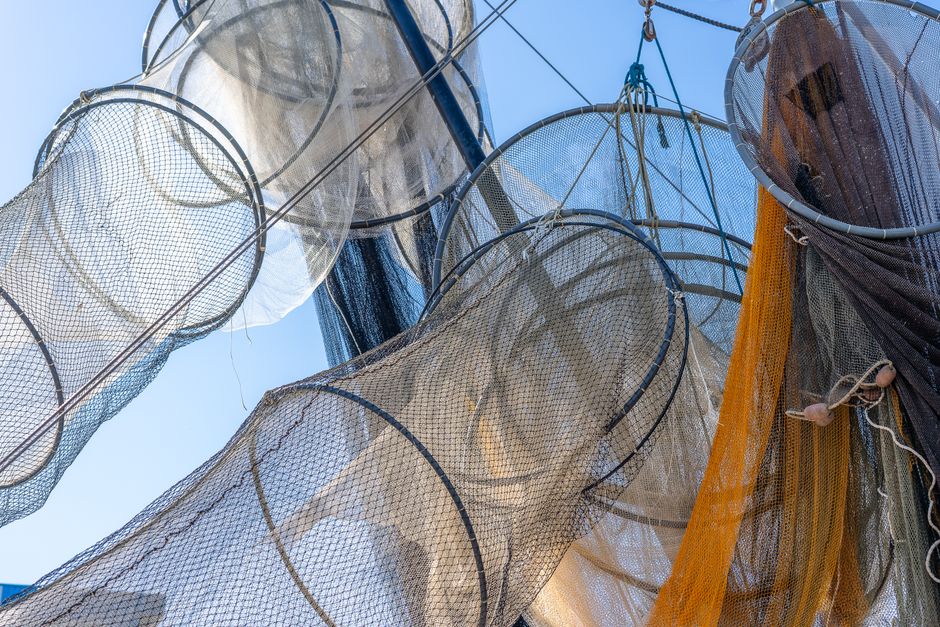
Plase nodate din poliester, conforme EN 1263-1, pentru schele și deschideri pe șantier. Ochiuri calibrate și testate pe lot la energia de impact.
Detalii tehnice →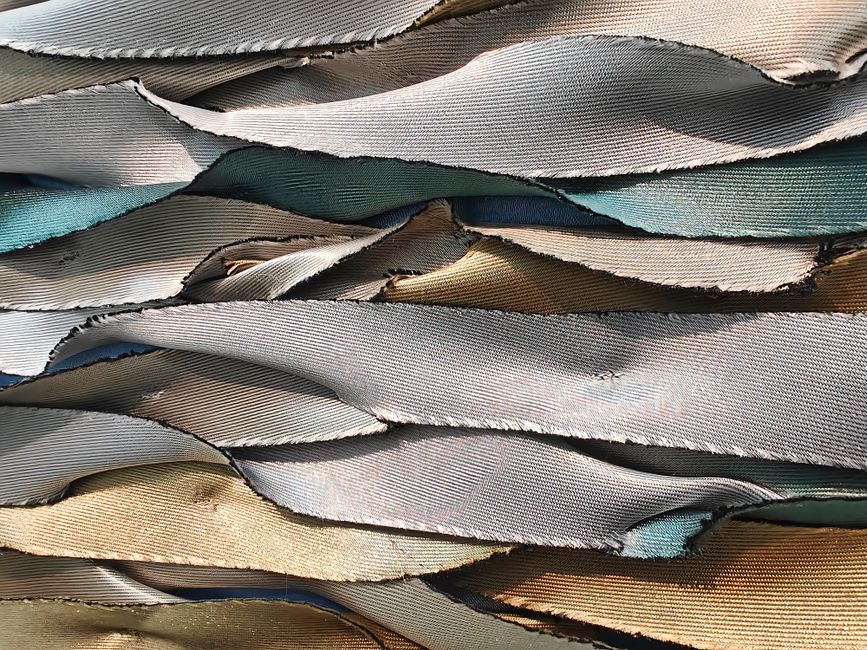
Chingi de ancorare din poliester țesut, conforme EN 12195-2, cu etichetă de capacitate și factor de siguranță marcat. Variante de 25 până la 100 mm.
Detalii tehnice →STUDIU DE CAZ · CONSTANȚA 2023
„Am înlocuit întregul sistem de amaraj cu cordoanele PP-Tract. După 4 ani de expunere salină continuă, degradarea măsurată a fibrei rămâne sub 5%.”— Director tehnic, operator portuar Constanța
DE CE FIBRELE NOASTRE
Sarcină de rupere de până la 94 kN pe configurațiile groase, măsurată pe presă de tracțiune calibrată, certificat de lot la cerere.
Aditivare anti-UV cu retenție a rezistenței peste 90% după 4000 ore de îmbătrânire accelerată QUV, conform protocolului nostru intern.
Comportament stabil în contact cu acizi și alcali diluați, hidrocarburi și apă sărată, fără pierdere semnificativă de proprietăți mecanice.
Funcționare fiabilă în intervalul −30…+80°C, fără fragilizare la frig sau curgere la cald, validat în teste de ciclare termică.
CUM LUCRĂM
Primim cerința: produs, dimensiune, sarcină de lucru și mediul de utilizare. Răspundem cu o evaluare de fezabilitate în 24h lucrătoare.
Definim fibra, construcția și standardul aplicabil. Întocmim fișa tehnică și factorul de siguranță agreat împreună cu echipa ta.
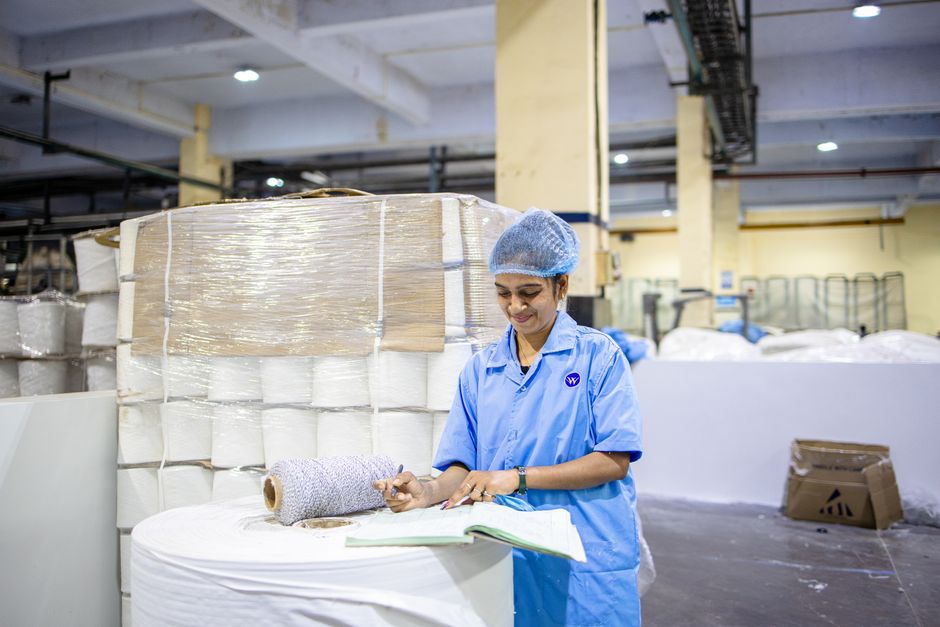
Extrudăm și țesem lotul, apoi îl testăm pe presă pentru tracțiune și conformitate. Fiecare lot primește certificat trasabil.
Livrăm cu documentația completă și rămânem disponibili pentru reaprovizionare, evaluări de uzură și ajustări de specificație.
UNDE SE FOLOSESC
Trimite-ne cerințele de sarcină și mediu, iar echipa noastră îți pregătește oferta cu fișă tehnică.